
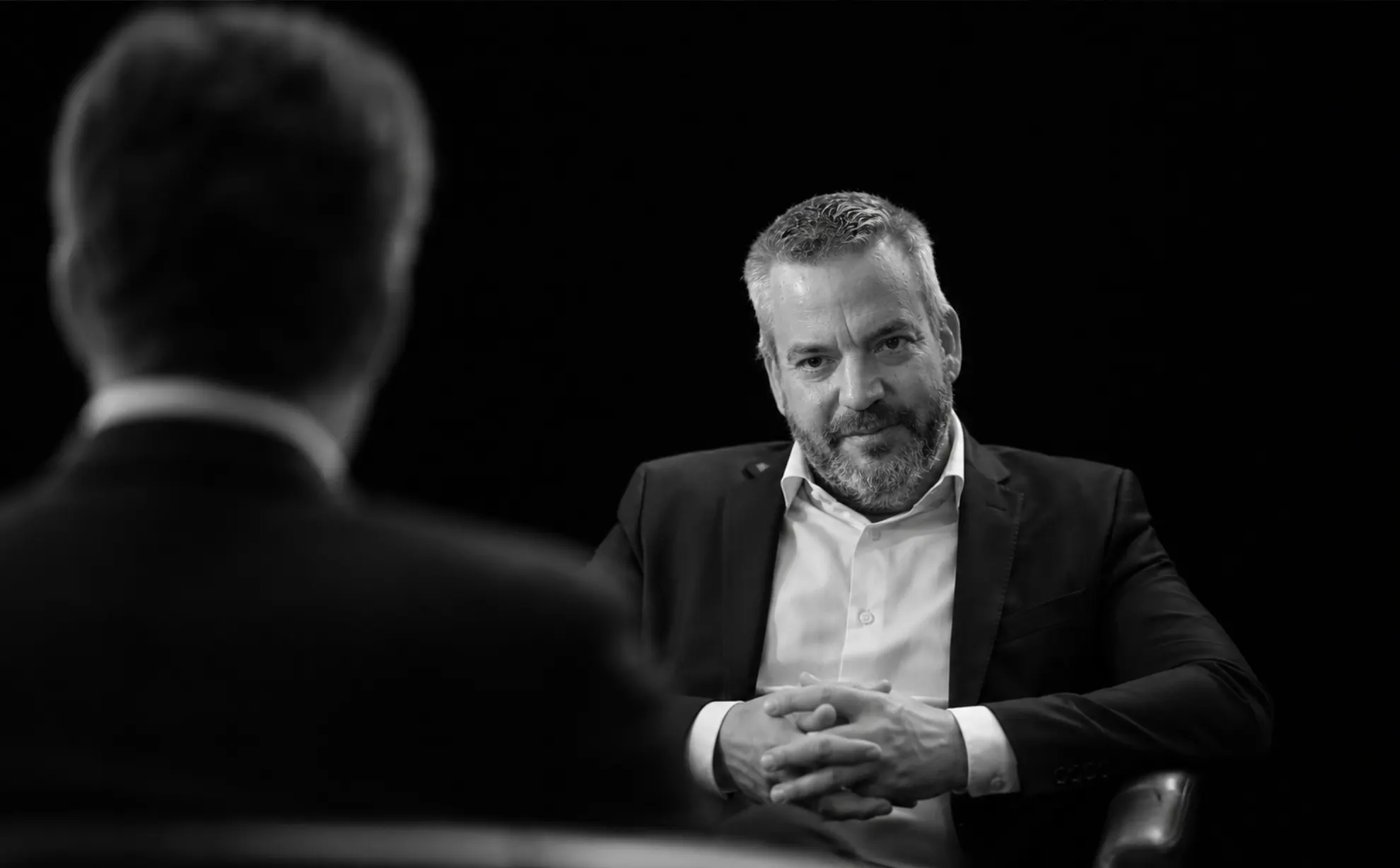
Great Leaders Create Time to Think
One of the biggest misconceptions about coaching is that it’s something you turn to when life becomes difficult. Many people imagine it as a solution for struggling leaders, failing businesses or moments of personal uncertainty. In reality, the opposite is often true.
The people who benefit most from coaching are usually already successful. They are experienced, capable and trusted. They lead teams, build businesses and make important decisions every day. From the outside, everything appears to be working exactly as it should.
Yet success creates a challenge of its own.
The more responsibility you carry, the fewer places remain where you can think completely openly. Your team expects direction. Your colleagues expect confidence. Your clients expect answers. Friends and family often see only fragments of your professional world, and while they care deeply about you, they are rarely in a position to challenge your thinking objectively.
Over time, something subtle begins to happen. Decisions become increasingly lonely. Reflection becomes a luxury. Days fill with meetings, emails and urgent priorities, leaving very little room to step back and ask whether you’re still moving in the direction that truly matters.
That is where coaching begins to create value. Not because somebody else knows your business better than you do. Or because somebody has the answers you’ve been missing.
But because every leader deserves one place where they can think without interruption, test ideas without judgement and explore important questions before those questions become urgent problems.
The conversations I enjoy most rarely start with a crisis. More often they begin with curiosity.
- “I’ve been thinking…”
- “I have the feeling something could work better…”
- “I know we’re doing well, but I also know we’re capable of more…”
Those conversations almost always lead somewhere interesting.
The Questions That Successful People Keep Asking
The quality of our leadership rarely depends on the quality of our answers alone. More often, it depends on the questions we’re willing to keep asking ourselves.
When was the last time you deliberately stopped to reflect on questions like these?
About yourself
- What gives me energy today that didn’t five years ago?
- Which strengths have brought me this far – and which ones might now be limiting me?
- What kind of leader do people actually experience when they work with me?
- Am I still growing, or am I simply becoming more experienced?
- What part of my life deserves more attention than it currently receives?
About your leadership
- Which difficult conversation have I been postponing?
- Where am I creating dependency instead of developing people?
- What do my team members need from me today that they didn’t need a year ago?
- What would happen if I trusted my people just a little bit more?
- Which leadership habits should I finally let go of?
- What’s the value I’m creating for my team – and for the outcomes?
- How could I lead my team to more independent thinking and responsible collaboration?
About your organisation
- Are we building a business that depends on a few key people – or an organization that can thrive without them?
- What kind of leadership culture are we creating every day without even noticing?
- Which opportunities are we too busy to see?
- What challenges will become obvious in twelve months if we ignore them today?
- If we started this organisation again tomorrow, what would we build differently?
None of these questions demand immediate answers.
They simply deserve your attention.
Coaching Is a Thinking Partnership
People often ask me what actually happens during a coaching session. The honest answer is: it depends entirely on what matters most that day.
Sometimes we’re preparing for an important negotiation. Sometimes we’re discussing a difficult employee situation. Sometimes we’re exploring the future of an organisation. And occasionally, after talking about business for half an hour, we discover that the real topic has nothing to do with business at all.
I’ve always believed that coaching should adapt to the person – not the other way around.
Some conversations are highly strategic. Others become surprisingly personal. Some sessions revolve around organisational culture, leadership development or communication. Others simply create the rare opportunity for somebody carrying significant responsibility to think out loud without having to defend every thought.
That freedom changes the quality of thinking:
- Ideas become clearer.
- Decisions become more intentional.
- Conversations become easier because they have already been rehearsed mentally.
- Challenges become smaller because they are addressed early instead of being ignored until they become urgent.
This is why I see Impact Coaching as an ongoing thinking partnership rather than a series of isolated coaching sessions. Every conversation builds on the previous one. Together they create continuity, perspective and momentum that would be difficult to achieve through occasional advice alone.
The same principle applies inside organisations. Through Management Evolution, leadership development becomes part of everyday business instead of an annual event. Workshops introduce ideas. Coaching turns those ideas into daily behavior. Reflection keeps them alive long after the workshop has ended.
Real leadership cultures are built one conversation at a time.
Before Your First Coaching Conversation
People often assume they need to prepare before working with a coach. They imagine they should arrive with perfectly defined goals, a complete development plan or a clear explanation of what’s wrong.
You don’t.
In fact, I’d encourage you to arrive with something much more valuable than answers: lots of good questions, and even more curiosity.
The first coaching conversation won’t be about proving yourself: it should help us to understand you a little better than we did an hour before.
If you’d like to prepare, spend some time reflecting on questions such as these.
- What am I thinking about most when nobody is asking for my attention?
- Which decision keeps returning to my mind?
- Where do I feel stuck, despite outward success?
- What would I like to become better at – not because someone expects it, but because I do?
- What would I regret not doing over the next five years?
- Which opportunities excite me the most?
- Which fears quietly influence my decisions?
- If everything became possible tomorrow, what direction would I choose?
Questions like these form the starting point for tools such as the Personal Development Canvas, helping transform scattered thoughts into a clear picture of your strengths, values, ambitions and next steps.
Very often, coaching doesn’t reveal a completely new direction. It simply brings into focus the direction you’ve sensed for a long time but never quite trusted enough to follow.
One Conversation Can Change More Than You Expect
The biggest changes I’ve witnessed during the past twenty years have rarely started with dramatic breakthroughs.
More often, they began with one thoughtful conversation.
- A founder realised the business no longer needed more ideas but better delegation.
- An executive recognised that a difficult conversation could no longer be postponed.
- A manager discovered that the greatest obstacle wasn’t the organisation—it was the expectations they had placed upon themselves.
None of these moments looked extraordinary from the outside. Yet each one quietly changed everything that followed.
Perhaps that’s the greatest value coaching offers.
- Not invasive advice.
- Not motivational speeches.
- Not somebody telling you what to do.
Simply the opportunity to think more deeply, decide more consciously and lead more intentionally than everyday life usually allows.
If you’ve read this far, perhaps the question is no longer whether coaching works.
Perhaps the better question is this:
What could become possible if you gave yourself one dedicated hour every few weeks simply to think about your future, your leadership and the life you’re building?
Sometimes that single decision becomes the beginning of everything that follows.