
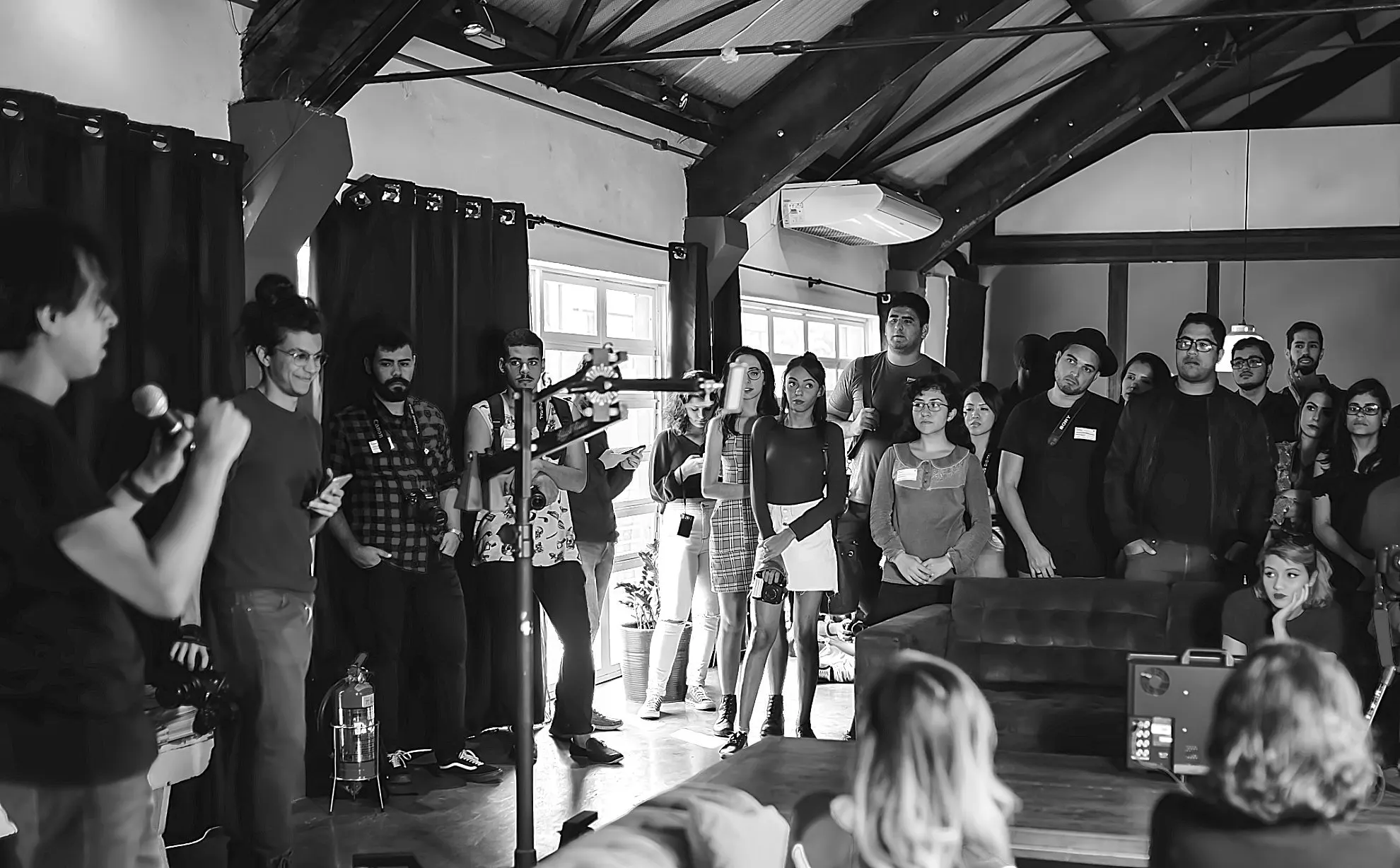
There comes a point when ordinary meetings stop working. The agenda fills up, yet energy runs low. People talk, but few really listen. Then, during the breaks, something different happens. Conversations flow easily. New ideas appear. There is laughter, connection, even excitement.
Why Open Space Exists
Harrison Owen, a management consultant, noticed this pattern after organizing a large conference. When he asked participants what they liked most, almost everyone said the same thing: the coffee breaks. That answer changed everything. If the best part of a conference is the break, why not design the whole event around that spirit?
This simple question became the foundation of the Open Space Conference – a method that removes rigid agendas and replaces them with trust and self-organization. Instead of controlling content, it gives people the freedom to explore what they truly care about. It is built on one belief: when people are passionate about something and take responsibility for it, they create value together.
Open Space doesn’t need experts at the front or PowerPoint slides to fill time. It needs people who care, a meaningful theme, and a space that invites participation. From that moment on, leadership spreads naturally.
The Spirit Behind the Method
Open Space works because it reflects how humans naturally collaborate when they feel safe, trusted, and free to move. It relies on four simple principles and one rule that keeps everything alive:
- Whoever comes are the right people.
The wisdom and energy you need are already in the room. - Whatever happens is the only thing that could have.
Focus on what emerges rather than what was planned. - Whenever it starts is the right time.
Real engagement doesn’t follow a clock; it follows energy. - When it’s over, it’s over.
Some discussions end quickly, others take time. Let them find their own rhythm.
And the Law of Two Feet:
If you find yourself somewhere you’re not learning or contributing, move.
This law changes everything. It encourages responsibility, curiosity, and movement. Instead of passively waiting for instructions, people decide where to invest their time and attention. The result is a lively, self-organizing environment where every minute counts.
When to Use Open Space
Open Space is best used when you face a question that truly matters and has no single answer. It helps groups discover clarity in complexity and energy in uncertainty.
Typical situations include:
- Building a shared vision across departments.
- Exploring new directions or strategy.
- Strengthening a leadership culture or innovation mindset.
- Addressing change that affects many people.
It is less useful for routine planning or topics where decisions are already made. The process thrives on real dialogue, not formal approval.
Preparing the Ground
An Open Space does not need much preparation, but it needs the right kind of preparation. The aim is to design the conditions for collaboration to appear, not to script the content.
Shape the Theme
Everything begins with a theme – a clear and compelling question that matters to everyone involved. The wording should spark curiosity and responsibility. Good themes often begin with How can we… or What do we need to do to…
Example:
- “How can we strengthen collaboration between teams?”
- “What does leadership mean in our company’s next chapter?”
Avoid long or vague phrases. The theme should fit on a poster and be easy to repeat. It must speak to the heart and to the work at the same time.
Invite People Who Care
The invitation sets the tone. It should make clear that everyone will co-create the agenda. There are no observers, only contributors.
Keep it personal and open:
“We are meeting to explore how to build our future together. Bring your ideas, questions, and experiences. You will shape the agenda yourself.”
Aim for diversity. The more perspectives in the room, the more valuable the conversations. Groups of 25 to 200 participants work well.
Choose a Space That Encourages Movement
The setting influences the mindset. Pick a room that feels open and flexible. Arrange chairs in a circle. Avoid long tables or podiums. Leave walls free for posters or flipcharts. If possible, use natural light and make refreshments visible and easy to reach – conversation flows better when people feel comfortable.
How an Open Space Unfolds
An Open Space follows a simple rhythm that balances freedom and focus. It usually runs in five phases: opening, exploration, working, harvesting, and closing.
1. The Opening Circle
The group gathers in a circle – a powerful symbol of equality and inclusion. The facilitator (often called the space holder) welcomes everyone, introduces the theme, and explains the few principles and the Law of Two Feet.
Then comes the most important moment: participants propose the topics they want to discuss. Each writes a title on a sheet, says a few words to describe it, and places it on the wall with a chosen time and place. Within half an hour, an entire agenda appears. It is lively, visible, and owned by everyone.
2. The Marketplace
Once all topics are posted, participants walk around, read the proposals, and choose where to go first. They might move between sessions, join new ones, or even start additional groups. The room turns into a living market of ideas, conversations, and connections.
3. The Working Sessions
Each session belongs to its initiator, called the host. Their task is to welcome participants, open the conversation, and make sure key points are documented. There is no presentation or lecture – just dialogue.
Sessions can take place on the floor, at a table, or even outdoors. The host or another volunteer notes ideas, agreements, and next steps on a flipchart or in a shared document. The discussion ends when energy drops or the group feels complete.
4. Harvesting the Results
At the end of the day, collect all notes, photos, and ideas into a simple document – often called the “Book of Proceedings.” Share it quickly, ideally within 24 hours. It keeps momentum alive and shows that every contribution counts.
If time allows, display all session results on the walls and let people walk around, read, and connect dots. This gallery walk helps participants see the bigger picture that has emerged.
5. The Closing Circle
The event ends in the same circle it began. Everyone is invited to share a short reflection – a thought, an insight, or a feeling they take away. This should not become an evaluation; it’s a moment of collective gratitude and closure. People often leave with a sense of clarity and renewed motivation.
The Facilitator’s Role
Facilitating an Open Space means guiding without controlling. The facilitator sets the tone, explains the rules, and holds the space with calm confidence. Once the process starts, their task is mainly to observe, clarify when needed, and make sure the rhythm of the event remains balanced.
Key qualities are presence, neutrality, and trust in the group’s ability to self-organize. When participants sense this trust, they rise to the occasion. The facilitator becomes almost invisible, yet their presence shapes the entire atmosphere.
From Conversation to Action
An Open Space is not a one-day miracle. What happens afterward determines its value. Turning insights into results requires gentle structure and continued dialogue.
After the event
- Distribute the documentation quickly. Send it within a day while energy is still high.
- Identify themes that connect. Review the notes to spot repeating patterns or shared goals.
- Form action groups. Invite those interested in similar topics to meet again and plan small next steps.
- Provide visible follow-up. Regular updates or short check-ins keep motivation alive.
- Integrate outcomes into ongoing work. Link ideas from the Open Space to projects or strategies already in motion.
The goal is not to create a separate “Open Space project,” but to let its spirit influence how the organization continues to learn and adapt.
Practical Step-by-Step Guide
Below is a detailed guide for organizing an Open Space: simple enough to follow, flexible enough to adapt:
Clarify the Purpose
Decide what central question the event will explore. It should be relevant, urgent, and meaningful. If you cannot express it in one short sentence, refine it until it becomes clear.
Build Your Core Team
Even in a self-organizing process, some preparation helps. Gather two or three people who care about the theme. Assign simple roles: logistics, communication, and documentation. Keep meetings short and practical.
Choose a Venue and Date
Look for an open, bright room with movable chairs and plenty of wall space. Arrange a few smaller corners for parallel sessions. If possible, book catering that encourages informal mingling.
Design the Invitation
Write a short, authentic message that explains what the Open Space is and what people can expect. Be clear that participants will shape the content themselves. Send it early enough for people to prepare mentally.
Prepare the Materials
You will need flipcharts or large sheets of paper, markers, sticky notes, tape, a bell or gong for time signals, and a way to collect notes digitally at the end. Print the principles and the Law of Two Feet on posters and hang them visibly.
Welcome and Explain
Begin the day with a short introduction. State the theme clearly, explain the principles, and invite people to propose topics. Keep your tone calm and warm – you are not giving a speech, you are opening a space.
Create the Marketplace
Let participants post their session titles. Arrange them on a large grid with time slots and spaces. Encourage curiosity: people can attend any session they wish, move freely, or even start spontaneous discussions.
Support the Sessions
During the working phase, circulate quietly. Make sure groups document their ideas. Offer guidance only if asked. Trust the process: it almost always organizes itself better than expected.
Harvest and Share
Collect all session notes. Scan or photograph them. Combine them into one document and share it with everyone. A simple PDF is enough. Quick sharing shows respect for people’s work and keeps energy alive.
Follow Up
Plan a short meeting a few weeks later. Review what actions have begun, what needs support, and how to keep collaboration alive. Many organizations schedule regular Open Spaces to stay connected and inspired.
Avoiding Common Mistakes
Remember
the quality of conversation depends on the clarity of invitation and the trust in the room.
Open Space fails only when people try to control it too tightly.
Common traps include:
- Planning a detailed agenda in advance.
- Writing a vague or abstract theme.
- Expecting the facilitator to provide answers.
- Forgetting to document results.
- Treating the event as a one-off exercise.
What Leadership Can Learn from Open Space
Open Space is not a tool to manage people. It asks for courage – to invite, to trust, to listen. But once the circle opens and conversations begin, something remarkable happens. People find each other. Ideas connect. The room starts to breathe.
The true lesson of Open Space shows that structure grows naturally when people feel ownership. It proves that listening can achieve more than directing. And it reminds leaders that freedom and responsibility belong together.
When a team or organization learns to work in this spirit, collaboration becomes lighter, decisions more meaningful, and change more natural.
At that moment, you realize that leadership is not always about speaking louder or planning better. Sometimes, it is about opening the space and letting others step in. That’s where true collaboration begins and where conversation becomes action.