
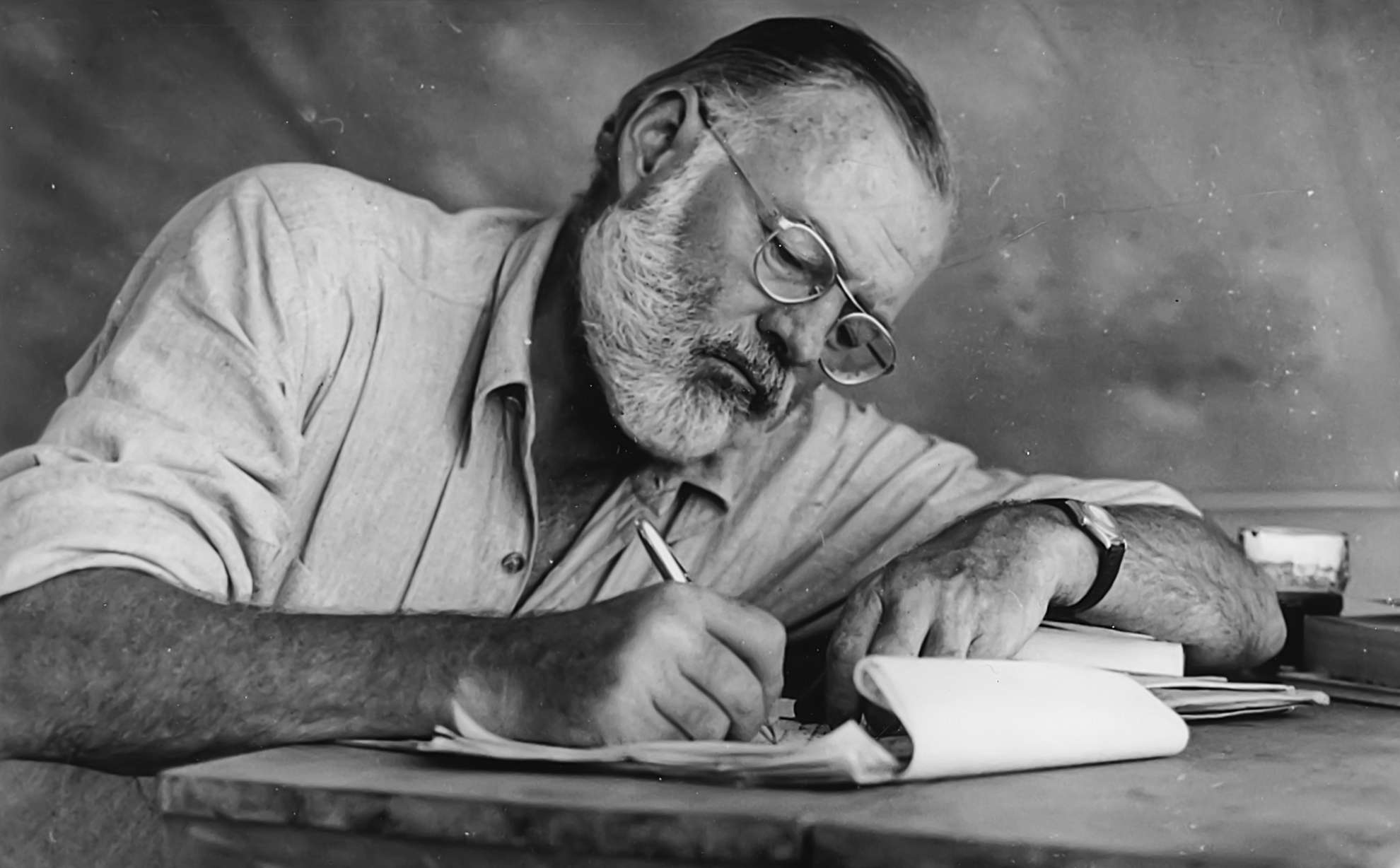
Ernest Hemingway. Just saying his name stirs up images of rugged adventure, soulful writing, and a life lived to its fullest. Hemingway wasn’t just a man; he was a force of nature—fishing in the Gulf Stream, dodging bullets as a war correspondent, pouring his soul into words at a café in Paris. He lived with intensity, and his philosophy, as captured in this timeless quote, reflects that same fullness:
“Before you act, listen.
Before you react, think.
Before you spend, earn.
Before you criticize, wait.
Before you pray, forgive.
Before you quit, try.”
Ernest Hemingway
When you sit with these words, the more you reflect about them, the more they translate into a way of being. They point to the mindset Hemingway carried—a belief in abundance, in giving life your all, and in finding plenty where others might see little. Words that, in his life, were a way of being.
Trusting In The Abundance Of Life
To understand Hemingway, you have to understand his philosophy of abundance. For him, life was never about clinging tightly to what you have. It was about giving freely—your time, your energy, your trust—without fear of losing something in the process. Whether he was teaching someone to fish or sharing a bottle of wine, Hemingway lived as though there was always more to come.
This idea shines through in his advice. “Before you spend, earn” – is about creating value before you seek rewards. In Hemingway’s world, earning wasn’t just about money; it was about effort, passion, and commitment. He poured everything into his writing, crafting each sentence until it rang true. He knew the satisfaction that comes from giving your all before expecting something in return.
Abundance isn’t about what you have; it’s about how you see the world. It’s about trusting that life has more to give, as long as you’re willing to engage with it fully. Hemingway lived this way, embracing risks, chasing experiences, and never holding back.
Listening as a Gift
“Before you act, listen.” Such a simple line on first view, but Hemingway understood its real depth. Listening isn’t just about hearing someone out; it’s about giving them your full attention, your curiosity, your willingness to understand their world.
Hemingway was a master observer, someone who could sit quietly in a bustling room and soak in every detail. This skill wasn’t just the backbone of his writing; it was how he connected with people. He listened deeply, not to judge or to reply, but to understand.
In a world that often rushes to speak, pausing to listen is an act of generosity. It says to the other person, “I see you. I value what you have to say.” And in that moment, abundance flows—not in material wealth, but in the richness of connection.
Giving Freely to Be Free
Hemingway’s philosophy contrasts sharply with the mindset of scarcity many of us live by today. Scarcity clings. It hoards. It operates out of fear—fear of losing, fear of not having enough, fear of being left behind. It’s the opposite of the giving, open-hearted way Hemingway lived.
And not only in the way of things. Take “Before you pray, forgive.” Forgiveness is abundance in action. It’s choosing to let go of bitterness and grudges, trusting that your heart has enough space for compassion. Forgiveness isn’t easy—in fact forgiving full heartedly is one of the hardest things to do. But Hemingway knew that holding onto resentment only closes you off to life’s possibilities.
When you live with abundance, you stop seeing the world as a zero-sum game. And you realize there’s enough—enough time, enough opportunity, enough joy—for everyone. And in giving, you often find you gain more than you lose.
Finding Strength in Purpose
For Hemingway, living with abundance also meant having a purpose. He wasn’t someone who drifted through life; on the opposite, he pursued what mattered to him with fierce determination. Whether writing, fishing, or falling in love, he gave himself fully to the moment, every moment.
“Before you quit, try.” This isn’t just advice for perseverance; it’s a reminder to honor your efforts, even when the path gets hard. Hemingway knew failure intimately—he faced rejection, creative blocks, and personal struggles. Yet he kept trying, because his purpose—to tell the truth through stories—mattered more than any setback.
Purpose anchors you. It gives you the courage to try again, the resilience to keep going, and the clarity to focus on what truly matters. It’s why Hemingway’s characters often find redemption not in success but in the struggle itself.
Seeing The Beautiful In Everything
Hemingway had a gift for seeing beauty in the ordinary. A sunrise over the sea, the rhythm of a fishing line, the quiet camaraderie of shared silence—these small moments became monumental in his stories. He believed life’s richness wasn’t in grand gestures but in the everyday details.
This philosophy ties back to abundance. When you approach life with a sense of wonder, you see plenty where others might see scarcity. You stop chasing what you don’t have and start appreciating what’s already around you.
“Before you criticize, wait.” This isn’t just about withholding judgment; it’s about seeking beauty first. It’s about asking, “What can I learn here? What might I be missing?” Hemingway’s curiosity fueled his ability to find beauty, even in the broken and flawed.
Hemingway lived a life full of struggles, but also a life filled with big emotions, amazing experiences, and unique stories. This abundance of life didn’t come from holding on and playing it safe. He took great risks, lived for his convictions, suffered great pain, and maybe this way of living to the extremes taught him to always give freely, believe in himself, and to see beauty in the everyday. So, maybe, also for you now could be the right moment to live a bit more, risk a bit more, fail a bit more. And in turn your world will become a little bit more exciting, richer in new experiences, and a whole lot more beautiful.